Pilot Season: Channel Islands
A first season of sailing-based ocean education along the Southern California coast.
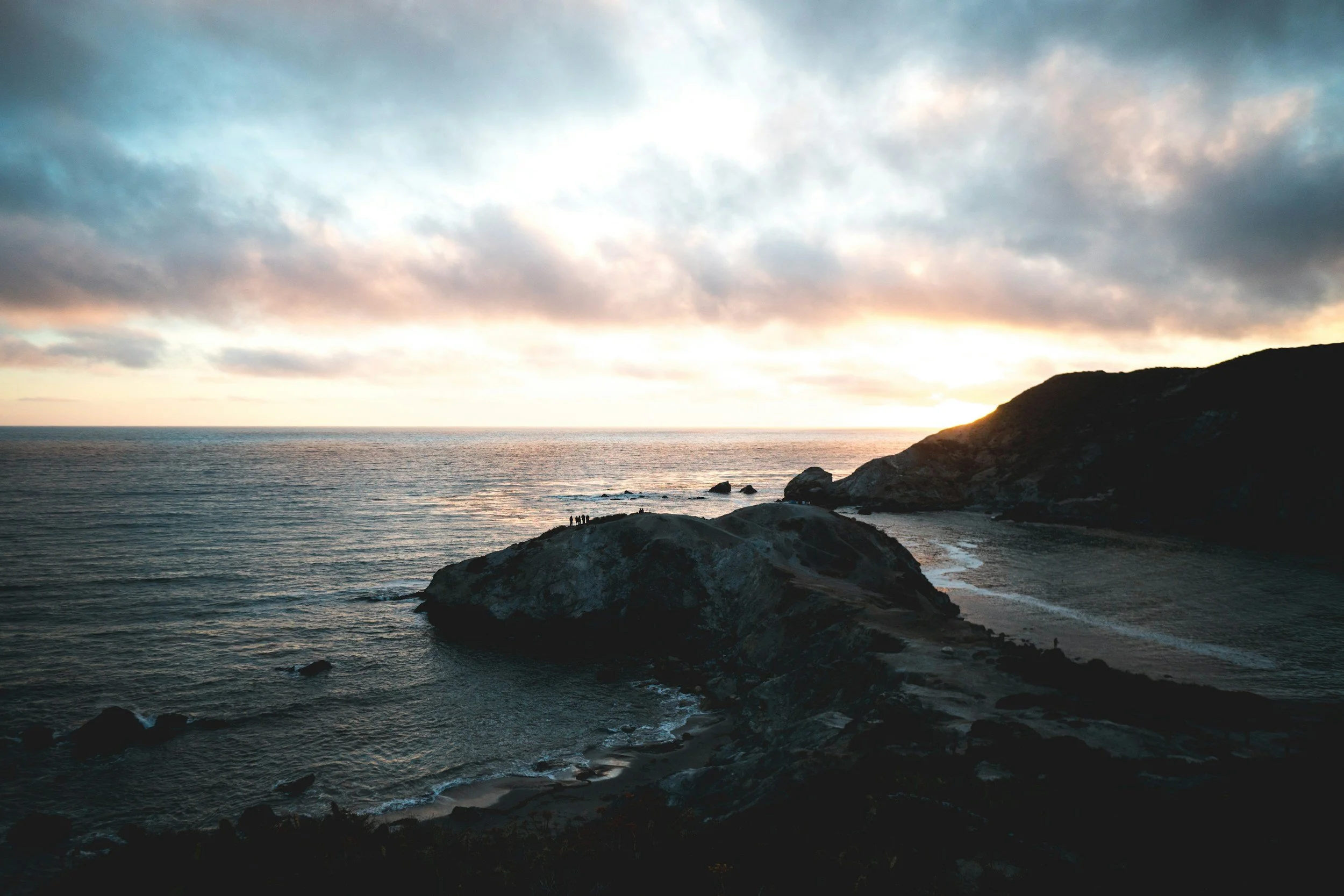
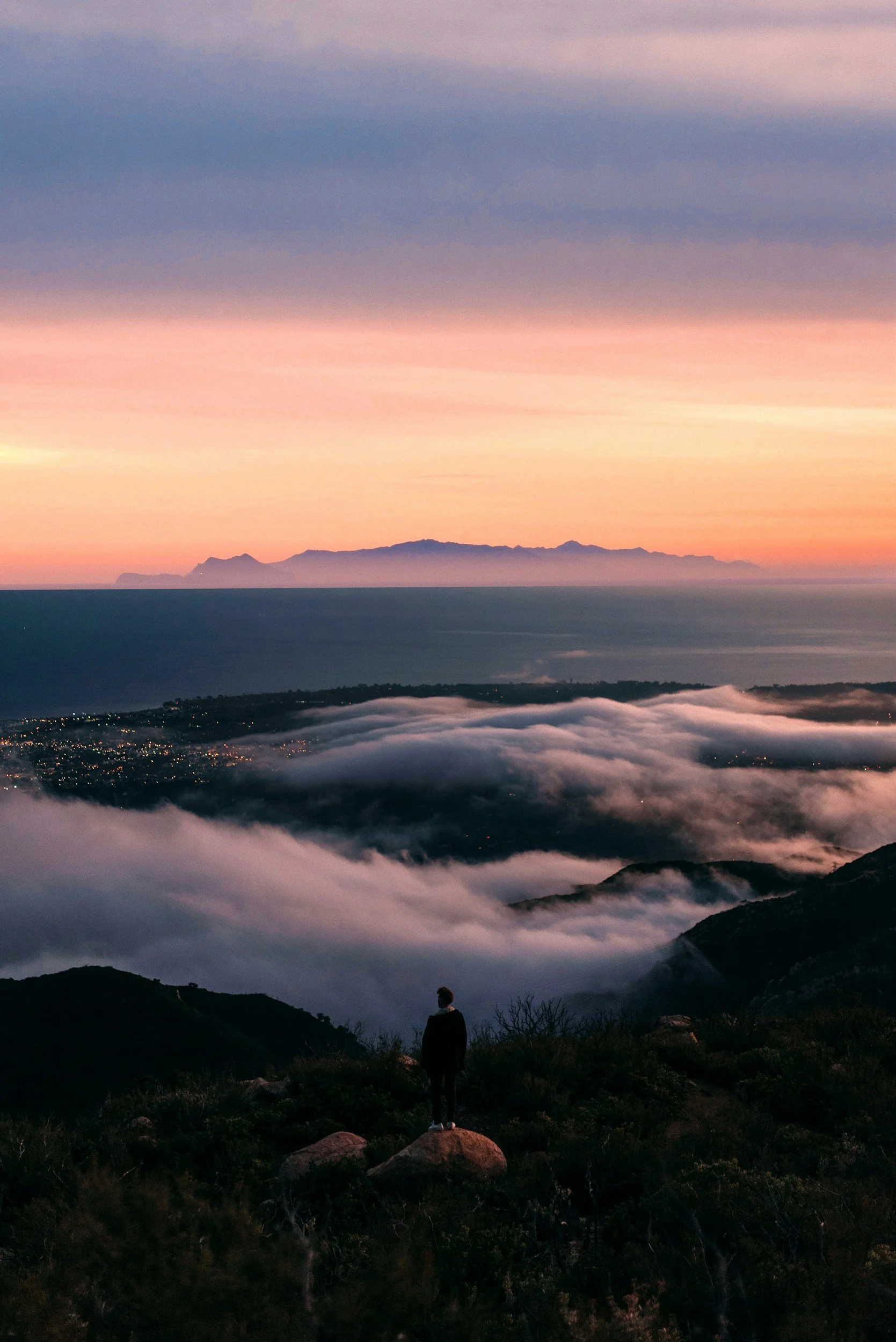
Beyond Horizons begins with a focused pilot season exploring the Southern California coast and Channel Islands through short educational videos, field notes, STEAM learning materials, and public storytelling from the water.
This first season is designed to test a simple, scalable model: observe real ocean systems, tell the story clearly, connect each story to learning, and invite kids, families, and educators into a deeper relationship with the sea.
Why the Channel Islands?
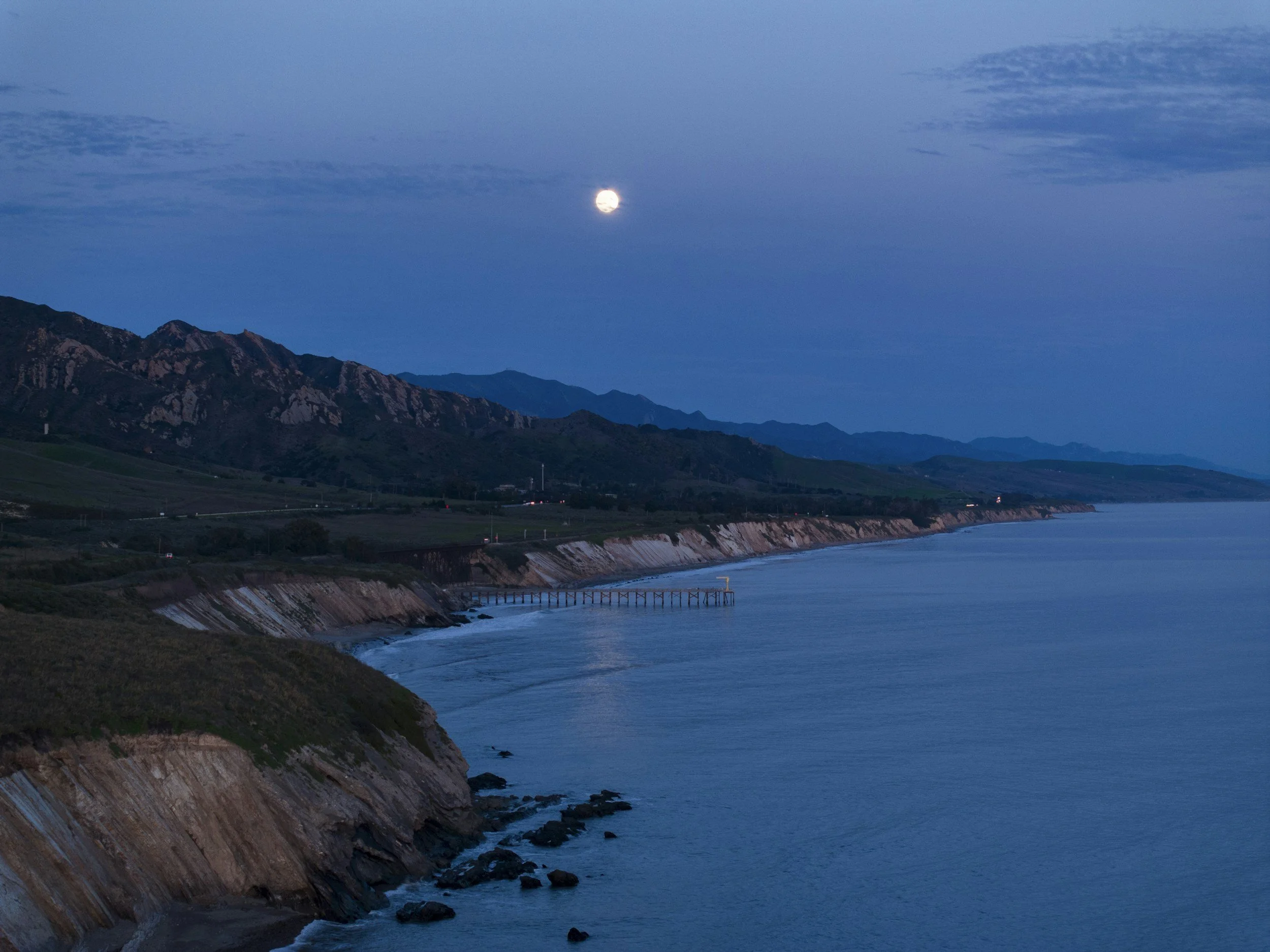
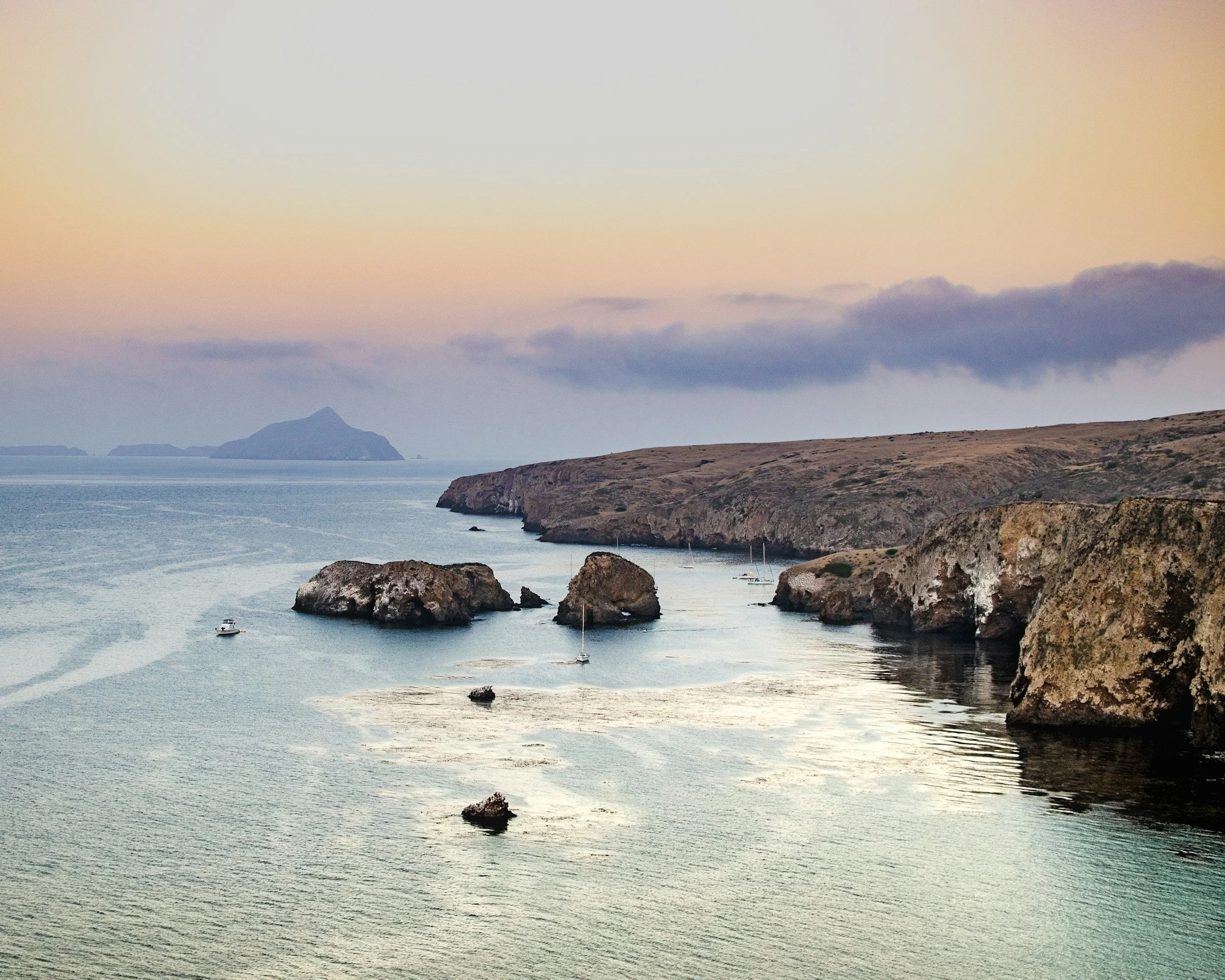
The Channel Islands are one of the most powerful outdoor classrooms in North America.
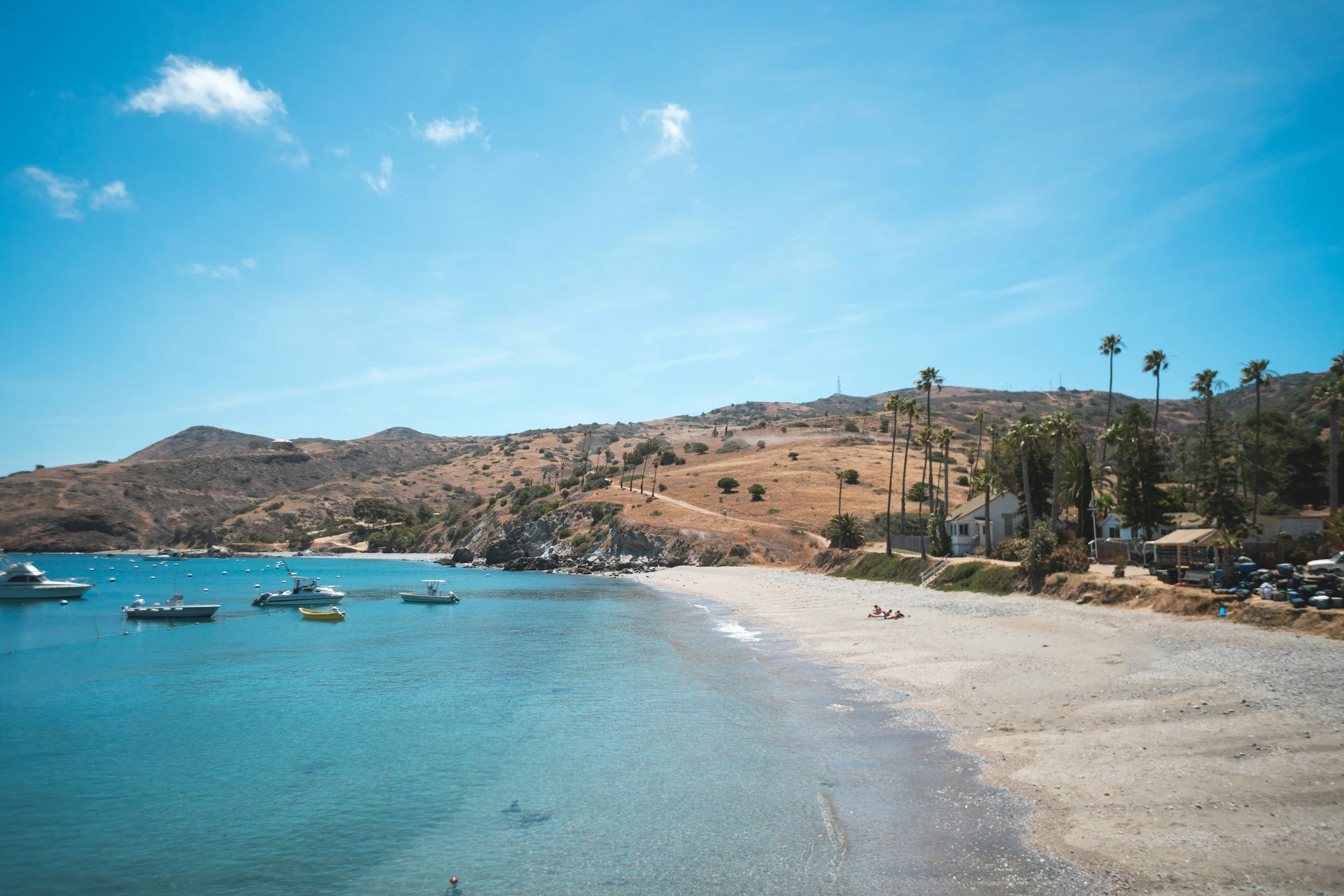
Across a relatively small stretch of ocean, learners can encounter kelp forests, seabirds, marine mammals, island geology, shifting weather, marine protected areas, working harbors, and layered human histories.
For Beyond Horizons, the Channel Islands offer the ideal first season: close enough to document responsibly, rich enough to sustain a full educational arc, and significant enough to connect local stories to global ocean questions.
This is where Beyond Horizons can begin with discipline: one coast, one region, one pilot season, and a clear set of educational outcomes.
Why This Region Matters
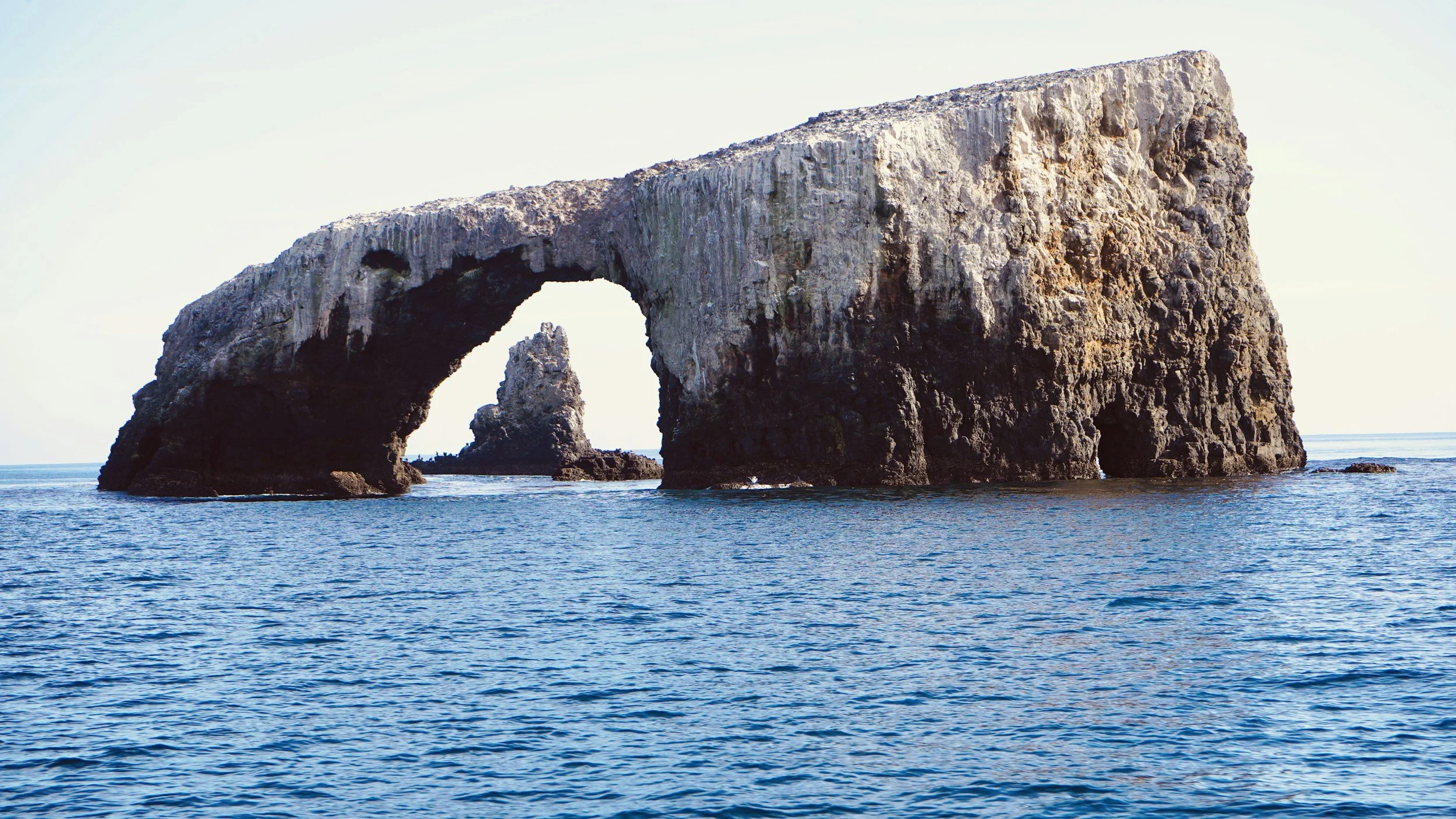
The Channel Islands are more than a beautiful place to begin. They are a living archive of ocean ecology, Indigenous maritime history, conservation recovery, environmental politics, and public imagination.
Here, learners can encounter the ocean as a complete system: kelp forests, seabirds, marine mammals, weather, currents, geology, protected waters, working harbors, and human decisions layered across thousands of years.
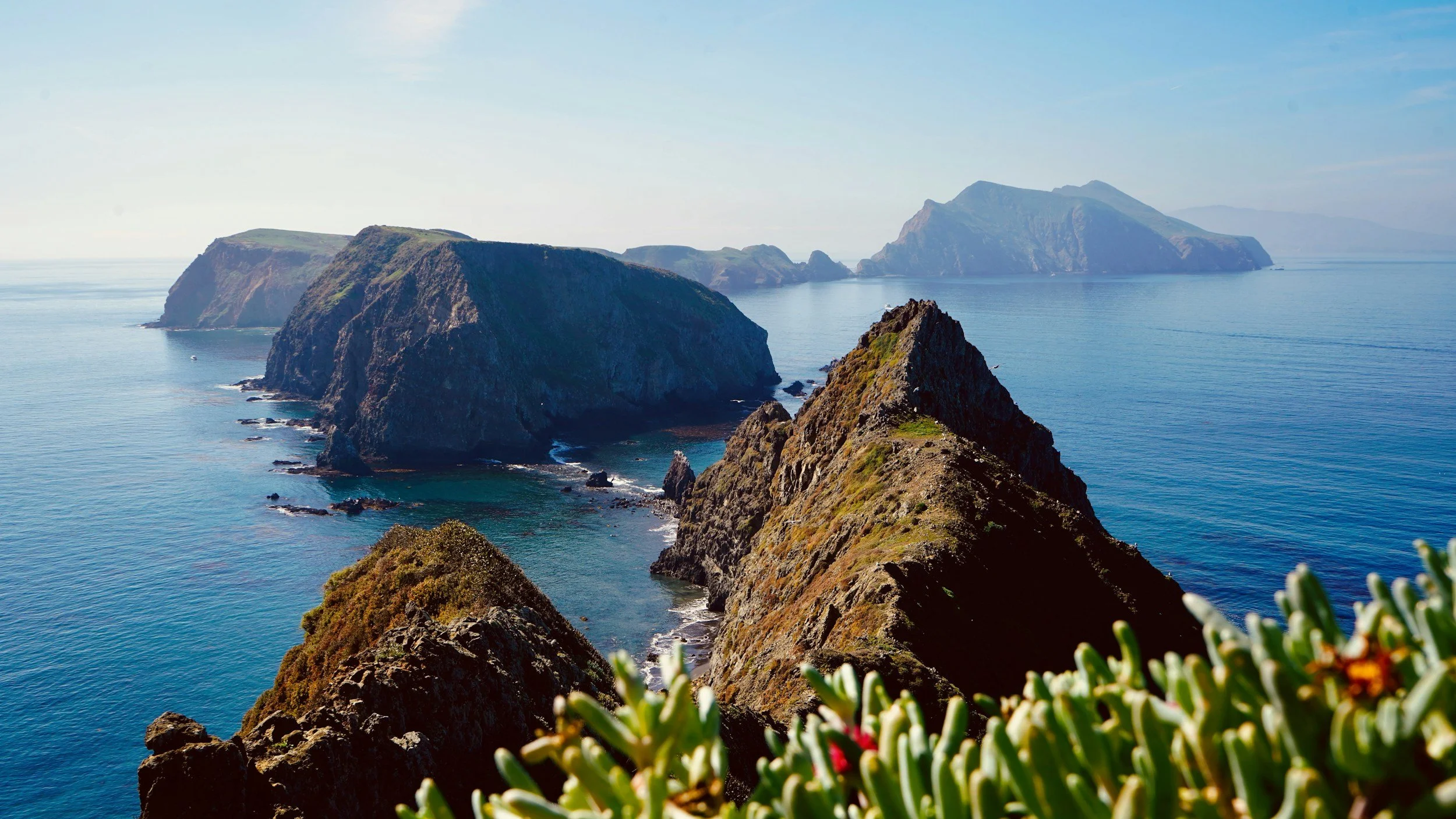
The islands preserve rare coastal Mediterranean ecosystems and support species and subspecies found nowhere else. Their isolation makes them a powerful place to explore biodiversity, adaptation, conservation, and ecological change.
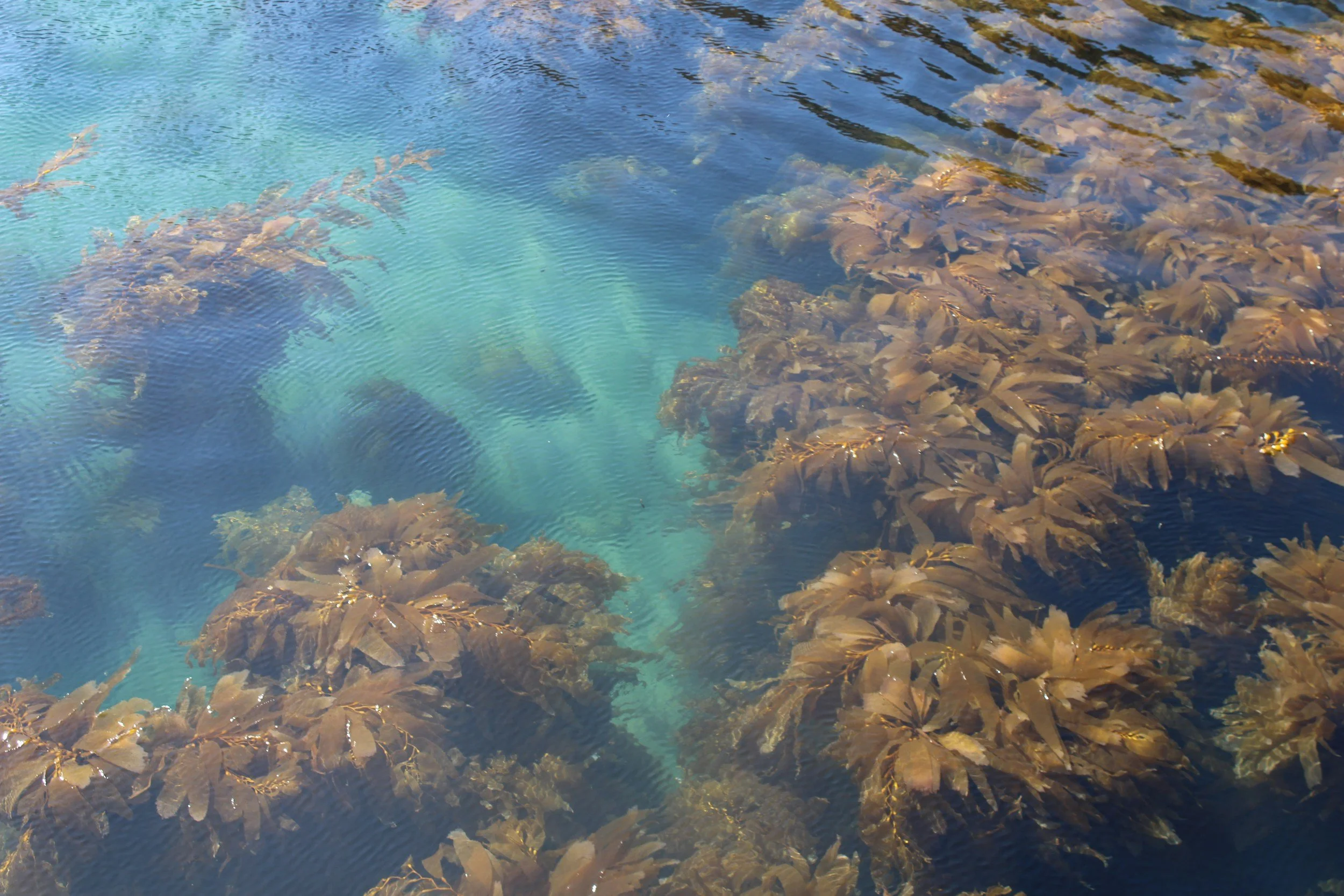
The surrounding waters are equally significant. NOAA describes Channel Islands National Marine Sanctuary as a place of “pristine kelp forests” and deep-sea coral gardens, often called the “Galapagos of the North.” Kelp forests provide food, shelter, and protection for marine life including fish, invertebrates, seabirds, seals, sea lions, whales, and more.
This region also holds deep human history. The northern Channel Islands and surrounding waters are part of Chumash homelands, with human history dating back more than 13,000 years. Chumash maritime culture has been, and continues to be, shaped by relationship with the islands and the Santa Barbara Channel. Beyond Horizons approaches this history with respect, care, and a commitment to learning from appropriate Indigenous and institutional sources.
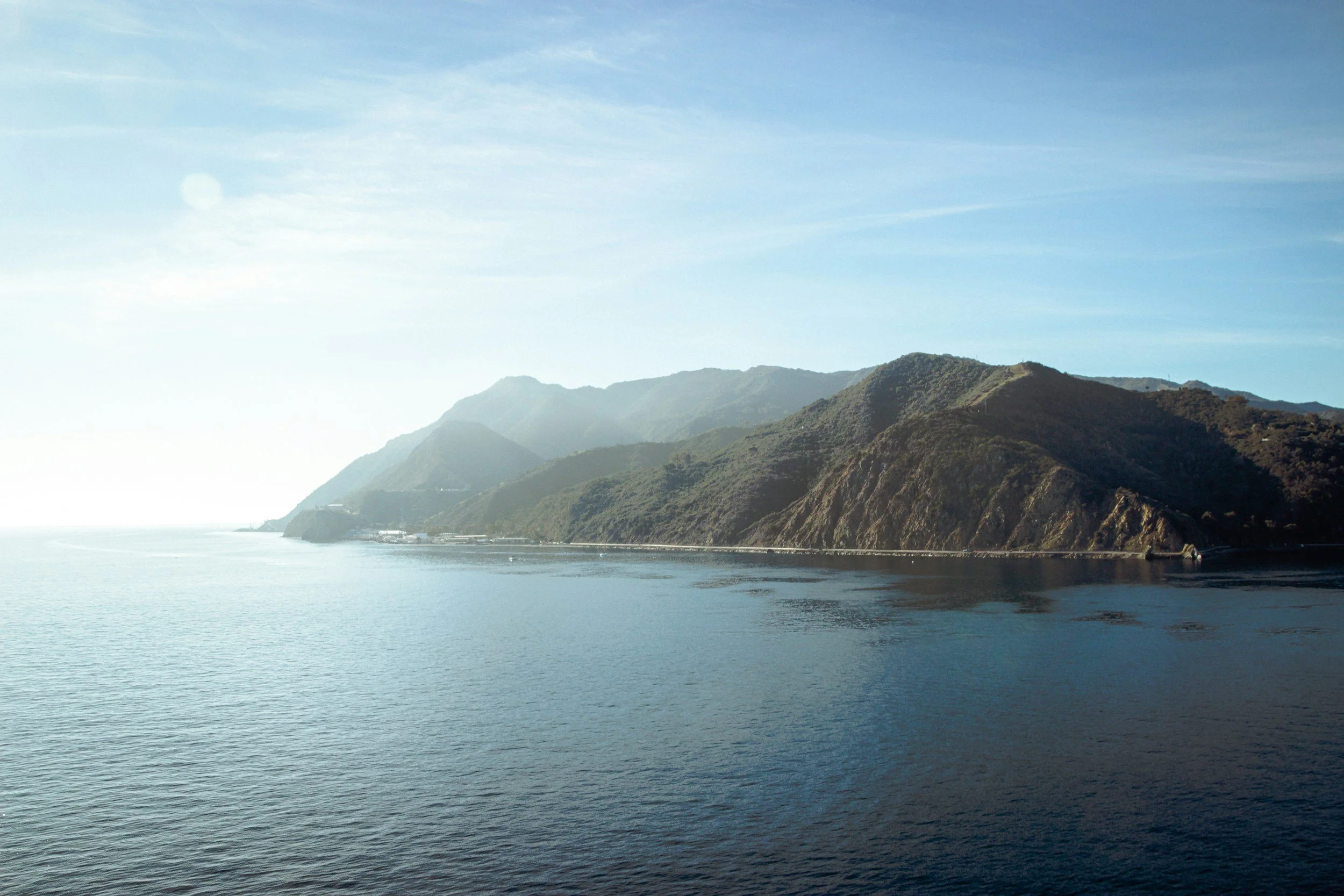
The Santa Barbara Channel also sits at the heart of modern environmental history. The 1969 Santa Barbara oil spill helped catalyze the modern environmental movement and shaped the public consciousness that led into the first Earth Day era. That makes this coastline a powerful place to teach not only ocean science, but environmental responsibility, public policy, and civic action.
For Beyond Horizons, the Channel Islands are not just the first filming location. They are the right first classroom: ecologically rich, historically significant, politically meaningful, and close enough to document with discipline.
Here, the first season can ask the questions that define the whole project:
What lives here?
Who has cared for these waters?
How have people harmed, protected, studied, and imagined this coast?
What can the ocean teach us when we slow down enough to pay attention?
Season themes
Kelp Forests as Underwater Cities
Kelp forests are among the most productive ecosystems on Earth. This theme explores habitat, biodiversity, food webs, urchins, sea otters, warming waters, storms, and what happens when underwater systems fall out of balance.
Seabirds, Wind, and Weather
Birds are not just beautiful. They are observers of the ocean. Their movement, feeding behavior, and flight patterns can reveal changes in wind, current, prey, and weather.
Marine Mammals and Protected Waters
Seals, sea lions, dolphins, and whales help learners understand food webs, migration, adaptation, conservation, and the importance of protected marine habitats.
Navigation as Applied STEAM
Sailing turns abstract concepts into real decisions. Navigation brings together math, physics, weather, charts, electronics, engineering, risk assessment, and careful observation.
Islands, Geology, and Deep Time
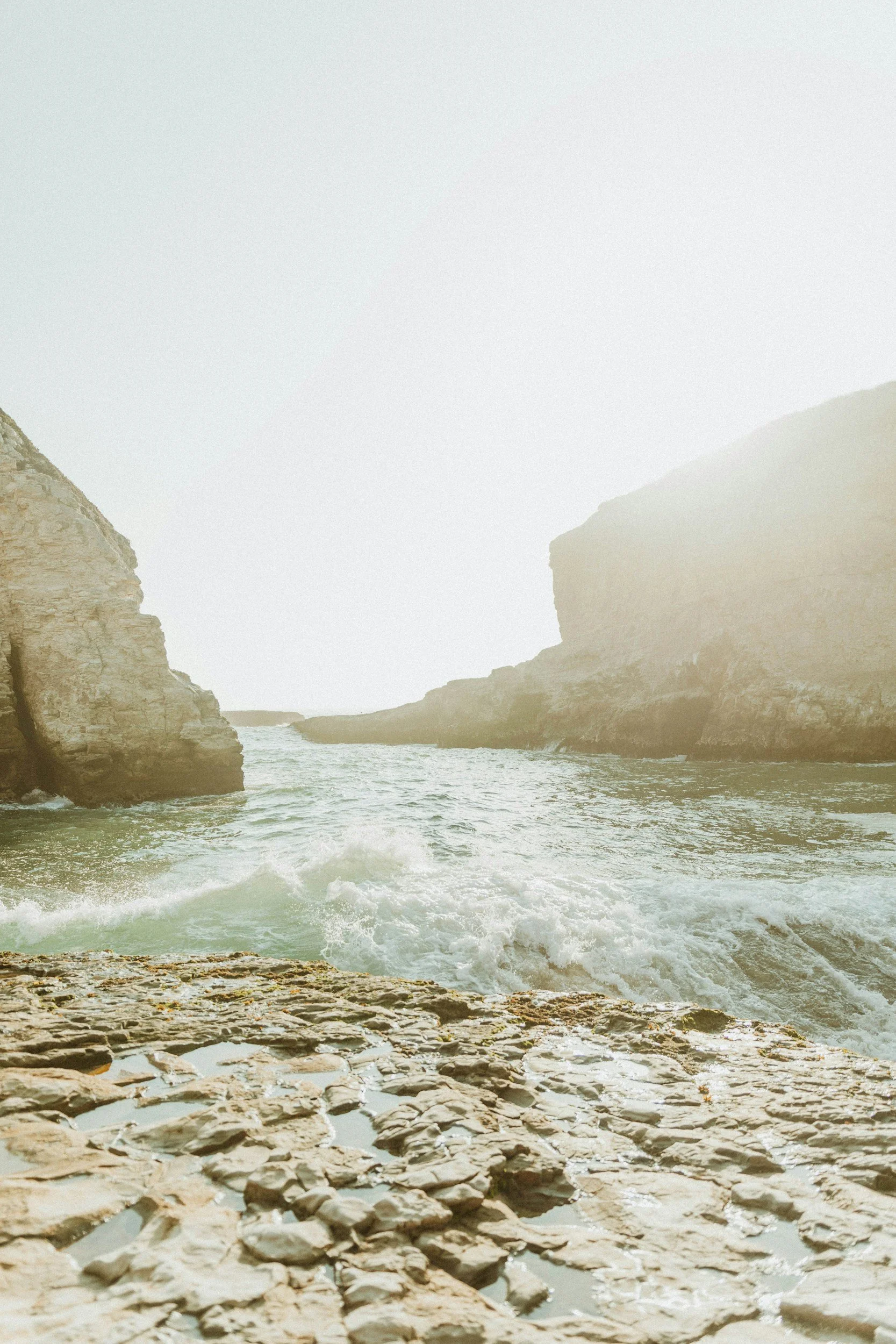
The Channel Islands tell stories of uplift, erosion, waves, caves, cliffs, earthquakes, and ecological change over long periods of time.
Harbors, Access, and Coastal Communities
Harbors are not just places boats live. They are infrastructure, economies, public access points, working waterfronts, and political spaces shaped by decisions about cost, safety, dredging, regulation, and climate adaptation.
People, Policy, and Protection
Ocean conservation depends on human choices. This theme explores marine protected areas, public agencies, Indigenous history, scientists, fishers, boaters, coastal residents, and the question of who gets to shape the future of shared waters.
What the pilot will produce
First-year deliverables
The Channel Islands pilot is designed to be focused, achievable, and measurable.
Beyond Horizons will produce:
6–8 short educational field videos
3–4 field essays or visual stories
4–6 STEAM-connected learning resources
a public Field Notes series
a small advisor circle of educators, scientists, and maritime professionals
a first-year impact summary
a refined model for future seasons and partnerships
The goal is not to launch everything at once. The goal is to prove the model with discipline.
How the model works
From field observation to learning
Every Beyond Horizons story follows a simple educational pathway:
1. Observe - Start from a real place, moment, question, or encounter on the water.
2. Explain - Translate the observation into clear, age-accessible ocean literacy content.
3. Connect - Link the story to STEAM concepts, coastal systems, conservation, and human decision-making.
4. Create - Develop supporting videos, field notes, activities, prompts, or learning materials.
5. Share - Make the materials available to families, educators, informal learning spaces, and ocean-curious communities.
Responsible field storytelling
Beyond Horizons is committed to lawful, safe, and low-impact field storytelling.
The pilot season will prioritize safety, environmental care, and respect for protected areas. Filming will be conducted from lawful access points and standard boating operations. The project will not rely on wildlife disturbance, unsafe approaches, unauthorized commercial passenger activity, or sensationalized encounters.
The goal is not extraction. The goal is observation, education, and stewardship.
Why this pilot matters
The Channel Islands pilot gives Beyond Horizons a realistic first step.
It allows the project to:
keep the scope focused
work close to known waters
control costs
develop a repeatable educational format
build a public audience
test curriculum materials
develop advisor and partner relationships
document impact
prepare for larger future seasons
Future potential
A model that can grow
The Channel Islands pilot is the first expression of a larger vision.
Over time, Beyond Horizons can grow into a broader platform for ocean literacy, expedition-based learning, public media, and curriculum-connected storytelling. Each region can become a season. Each season can become a learning module. Each learning module can support families, classrooms, museums, and informal science education.
But the first step is clear: build the Channel Islands pilot well.